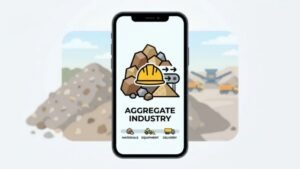
Each year in Ontario, approximately 160 to 170 million tonnes of aggregates are consumed to support growth and infrastructure, which translates to roughly 12 to 14 tonnes for every resident in the province. While sand, stone, and gravel are most visibly used to construct highways, bridges, homes, schools, and transit systems, these natural resources also power countless everyday essentials. From water filtration and sewage systems to glassware, paint, cosmetics, and household products, aggregates are foundational to modern daily life.
Major Players Shaping the Industry
Ontario’s aggregate sector is backed by the Ontario Stone, Sand & Gravel Association (OSSGA), which represents over 280 producers and suppliers across the province. The sector includes major multinational and national producers as well as established regional suppliers:
Multinational & National Leaders: Companies like Lafarge Canada, Dufferin Aggregates (a division of CRH Canada), CBM Aggregates (Votorantim Cimentos), Walker Aggregates, and The Miller Group operate extensive networks of quarries and pits across Ontario.
Regional & Local Producers: Leading independent suppliers like Brock Aggregates provide critical local supply networks across key urban corridors like the Greater Toronto Area (GTA), operating multiple gravel pits (including locations in Stouffville, Whitby, Orangeville, and Sunderland) to deliver sand, gravel, and crushed limestone directly to regional jobsites.
Sourcing an Aggregate Pit: Geological Realities
Ever wonder how a quarry or pit is chosen? Not every piece of land is suitable, and only natural geological processes dictate where high-quality sand, gravel, and bedrock deposits are located.
Furthermore, urban expansion often covers up valuable resource deposits before they can be extracted. In other cases, a deposit may not be concentrated or abundant enough to justify the millions of dollars required to site, license, engineer, and operate an extraction facility.
Industry Challenges: Close-to-Market Supply & Sustainability
The aggregate industry faces significant operational and logistical challenges:
Community Proximity vs. NIMBYism: Pits and quarries must often be located near populated regions where infrastructure is actively being built. However, proposals frequently meet opposition regarding localized noise, dust, and truck traffic.
Transportation & Environmental Impact: Aggregates are heavy, high-volume materials with high shipping costs relative to their unit price. Up to half the cost of stone and sand delivered to a jobsite stems directly from haulage. Distant sourcing forces heavy trucks to travel longer distances, increasing fuel consumption, traffic congestion, and greenhouse gas emissions.
Public Infrastructure Costs: Public works and municipal infrastructure projects account for over half of all aggregate consumed in Ontario. Keeping supply sources close to active markets directly protects taxpayers from skyrocketing transportation costs.
The Lifecycle of a Site and Land Rehabilitation
Pits and quarries are temporary, self-consuming land uses. Once the usable material has been depleted, the site is closed. Depending on deposit depth, quality, and local market demand, a site may operate anywhere from 5 years to more than 30 years.
Under Ontario’s Aggregate Resources Act, operators are required to engage in progressive and final site rehabilitation. Once extraction is complete, depleted pits are transformed into valuable community assets, including farm fields, naturalized wetlands, residential developments, golf courses, and public parks (such as Toronto’s historic Christie Pits and the Royal Botanical Gardens in Hamilton).
Partners in Performance
Sourcing high-quality material efficiently is key to sustainable community development. At Brock Aggregates, our commitment is set in stone. Serving the Greater Toronto and Southern Ontario markets since 1997, we supply and deliver premium sand, gravel, and crushed stone to keep Ontario moving forward.
To learn more about aggregate products or request delivery for your next project, visit brockaggregates.com or contact our sales team at 416.798.7050.